Living the Good Life in Kigali: What Makes It Africa's Most Livable City

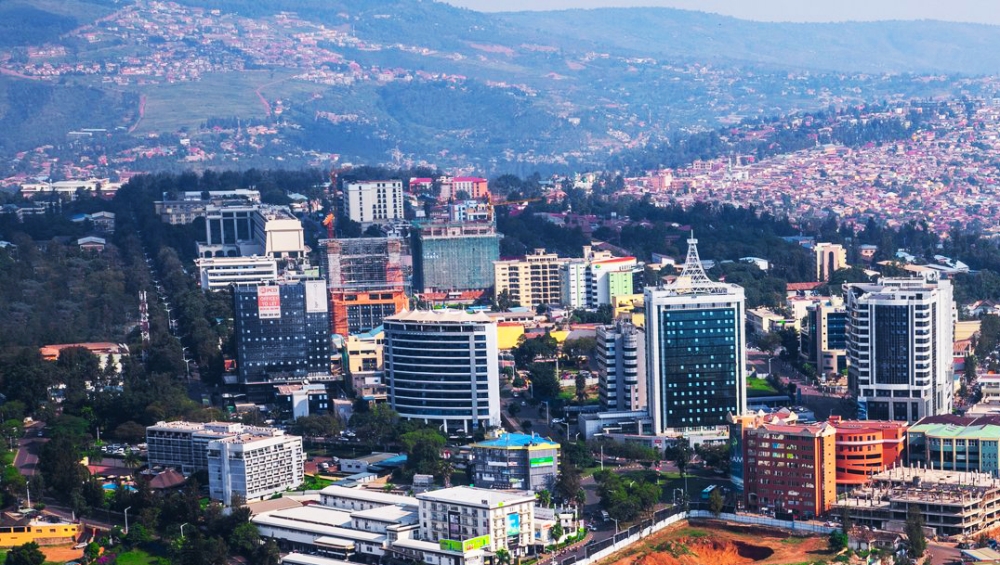
Living the Good Life in Kigali: What Makes It Africa's Most Livable City
Kigali has earned a remarkable reputation as the most livable city in Africa, a title backed by hard data, lived experience, and decades of deliberate urban transformation. Living the good life in Kigali is no longer a distant dream it is an everyday reality for tens of thousands of residents, expatriates, and diaspora returnees. This comprehensive guide from Kwanda Real Estate explores exactly what earns Kigali the distinction of being the most livable city in Africa. We examine safety, infrastructure, real estate opportunity, lifestyle, and why Living the Good Life in Kigali is attracting high-net-worth individuals, the Rwandan diaspora, and global investors at a pace never seen before.
In this guide, you will learn: what makes Kigali Africa's safest and cleanest city; how the Kigali master plan is reshaping urban life; the real estate landscape for buyers, renters, and investors; and how the Rwandan diaspora can invest in property from abroad. Whether you are considering fully furnished apartments in Kigali, luxury homes in Nyarutarama, or prime investment land near Kigali airport, this article gives you the full picture.
Why Kigali Is Recognised as Africa's Most Livable City
The label of most livable city in Africa does not come from marketing. It comes from independent rankings, governance indices, and the daily experience of people on the ground. The Economist Intelligence Unit and regional urban analysts consistently position Kigali ahead of much larger African capitals on key metrics: safety, infrastructure quality, government effectiveness, and environmental cleanliness.
According to the Rwanda Development Board, Kigali ranks among the top cities in Africa for ease of doing business, investor protection, and urban governance. The World Bank's Ease of Doing Business report has placed Rwanda in the top five across the continent. These are not coincidences they reflect twenty years of intentional policy.
Safety and Security: A Foundation for Comfortable Living
Safety is the first pillar of liveability. Kigali consistently records among the lowest crime rates of any major African city. The Rwanda National Police maintains a visible, professional presence across all neighbourhoods. Street lighting is reliable. Public spaces feel genuinely welcoming at night. For Rwandan diaspora returning from the UK, USA, or Europe, this level of security is often cited as a decisive factor in choosing Kigali.
For families seeking pet-friendly apartments in Kigali or parents looking for affordable houses in Kicukiro, Rwanda, safety extends to parks, schools, and communal spaces. The city's low crime statistics are supported by Numbeo's Crime Index, which rates Kigali far below regional peers in violent crime and property theft. This environment makes Kigali genuinely one of the best places to raise a family on the continent.
Cleanliness and Environmental Standards
Kigali is frequently called the cleanest city in Africa and visitors are usually stunned by the reality. The national Umuganda policy, a monthly community cleaning day enshrined in Rwandan culture, keeps streets, drainage channels, and public spaces immaculate. UN-Habitat's Urban Indicators have commended Kigali's environmental management as a model for developing-world urbanism.
Single-use plastics have been banned since 2008. This places Kigali decades ahead of many European cities in environmental policy. For expatriates and diaspora residents used to clean urban environments, this is a major quality-of-life factor. It also supports higher property values in Kigali in well-maintained districts and gated communities.
The Kigali Master Plan and Urban Growth
Urban planning sits at the heart of Kigali's rise. The Kigali master plan is a long-term development blueprint that organises the city into zoned districts, each with specific purposes: residential, commercial, industrial, and mixed-use. This structure creates predictable, investable urban growth. Investors and developers benefit from knowing exactly what can be built where.
The City of Kigali extends across three districts Nyarugenge, Gasabo, and Kicukiro and continues to expand outward through satellite towns and planned corridors. The City of Kigali official website publishes zoning maps, construction permits, and infrastructure updates. Understanding the master plan is essential for any serious property buyer or developer. Learn more about land use and zoning laws in Rwanda before making any investment decision.
Residential Zoning: R1 to R4 Explained
Kigali's residential zones range from R1 (low-density luxury) to R4 (high-density affordable housing). Understanding these zones helps buyers choose the right location. R1 and R2 zones typically host large plots with standalone homes the territory of luxury homes in Nyarutarama Kigali and high-end residential properties in Gasabo. R3 and R4 zones support apartment blocks, mixed-use buildings, and the kind of affordable housing developments that the city urgently needs.
Developers pursuing mixed-use developments in Kigali or hotel plots for sale in Rwanda need to pay close attention to conditional land use permits in Kigali. These permits allow uses beyond standard zoning categories under specific conditions. The planning system is rigorous but transparent a genuine advantage over many other African markets where land use is ambiguous and enforcement is inconsistent.
Infrastructure: Roads, Utilities, and Digital Connectivity
Kigali's road network is one of the best-maintained in Sub-Saharan Africa. Tarmac roads reach most neighbourhoods. The city experiences far fewer potholes and infrastructure failures than comparable African capitals. Roads and utilities directly affect property values and in Kigali, proximity to the main arteries and utility networks meaningfully increases land prices.
Fibre internet is available across the city. Rwanda's technology agenda, driven by the Rwanda Development Board, has made digital connectivity a national priority. This matters enormously for remote workers, international businesses, and NGOs operating in Kigali. Commercial properties in Kigali CBD and co-working spaces now attract global firms, tech startups, and health organisations seeking a reliable operational base in East Africa.
Real Estate in Kigali: A Market Built for Growth
The Rwandan real estate market for investors has grown at a compound annual rate that few African cities can match. Kigali's housing prices are rising due to strong demand, limited prime supply, and a growing middle class. The National Institute of Statistics of Rwanda reports consistent GDP growth, rising urbanisation, and expanding household income all structural drivers of real estate demand.
For the Rwandan diaspora, real estate in Kigali offers something unique: emotional connection combined with financial returns. Profitable real estate opportunities in Kigali span residential plots, apartment developments, commercial buildings, and industrial land. The growth of real estate in Rwanda is driven by urbanisation, diaspora investment, international NGOs, and a young population entering the property market for the first time.
Buying Property in Kigali: What You Need to Know
Rwanda's property ownership system is built on a 99-year leasehold structure. Many buyers initially worry about this, but Rwanda's leasehold system is more secure than most assume. Title deeds are legally enforceable, digitally registered, and protected by law. Why title deeds matter is a question every buyer must understand before committing funds.
The process for buying land as a foreigner in Rwanda is well-defined. Foreign nationals can own property through long-term leasehold agreements. Rwanda's real estate laws set clear rules on ownership, transfer, and development rights. The Rwanda Housing Authority oversees housing policy, affordable housing initiatives, and standards for new construction. Always verify title status before purchase this is the single most important step for any buyer.
The Step-by-Step Property Buying Process
Buying property in Kigali follows a structured process. First, identify the property and verify its ownership status through the Rwanda Land Management and Use Authority. Next, agree on terms and engage a notary for the sales agreement. Then, pay applicable property taxes in Rwanda and complete the title transfer. The process typically takes four to eight weeks for a clean title transaction. Read our step-by-step guide to buying property in Kigali for the complete walkthrough.
The role of a notary in Rwanda property transactions is legally mandatory. Notaries authenticate the sale, verify identities, and oversee registration. This adds a layer of legal protection for both buyer and seller. For diaspora buyers completing transactions remotely, notarised power of attorney documents enable assistance with property transfer in Rwanda without requiring physical presence throughout the process.
Living Areas in Kigali: Where to Buy or Rent
Kigali's neighbourhoods each have a distinct character. Understanding location is the foundation of any smart property decision. Prices, lifestyle, and investment potential vary significantly between districts. Location matters enormously in Kigali real estate, and the city's ongoing urban expansion means that today's peripheral areas become tomorrow's prime zones. Here is a district-by-district overview for buyers and renters.
Nyarutarama and Gacuriro: Premium Residential Living
Nyarutarama is Kigali's most prestigious address. Luxury homes in Nyarutarama Kigali attract diplomats, senior executives, and returning diaspora who want comfort, security, and proximity to international schools and embassies. Gacuriro, to the northeast, is rapidly developing as a more affordable alternative with high-quality new builds. Both areas feature Rwanda's top gated communities, which offer 24-hour security, landscaped grounds, and shared amenities.
For those seeking fully furnished apartments in Kigali in these neighbourhoods, several developers now offer turnkey apartments with high-speed internet, backup power, and modern kitchens as standard. These properties command a premium but offer strong rental yields from the expatriate and NGO market. Kwanda Real Estate's property listings include a curated selection of premium properties in these neighbourhoods.
Kicukiro: Affordable and Well-Connected
Kicukiro district offers some of the best value for first-time buyers and middle-income families. Affordable houses in Kicukiro, Rwanda are well-connected to Kigali city centre via the main road network. The district is close to Kanombe International Airport, making it attractive for land for sale near Kigali airport. The government's affordable housing initiatives in Rwanda have targeted Kicukiro for several major social housing projects, further boosting the area's infrastructure and amenities.
Nyarugenge: The Commercial and Administrative Core
Nyarugenge district encompasses Kigali's central business district. Office spaces for rent in Kigali are concentrated here, along with hotels, government offices, and the main commercial strips. Commercial properties in Kigali CBD attract health NGOs in Rwanda, multinational corporations, and financial services firms. If your organisation needs a Kigali base, Nyarugenge offers the widest range of office and commercial real estate options in the country.
Investment Opportunities: High ROI Properties in Rwanda
Kigali offers some of the most compelling high ROI properties in Rwanda for investors prepared to move decisively. The future of real estate in Rwanda looks particularly strong as the city hosts major international events, expands its MICE (Meetings, Incentives, Conferences, Exhibitions) infrastructure, and grows its diaspora returnee population. The African Development Bank has consistently ranked Rwanda as one of Africa's most resilient economies.
Off-Plan Property: Buying Before Construction
One of the most profitable entry points into Kigali's market is off-plan property. Buyers who purchase during the development phase often see capital appreciation before they even take possession. Benefits of investing in off-plan property in Rwanda include lower entry prices, flexible payment structures, and the ability to specify finishes and layouts. The key risk developer reliability is mitigated by working with established developers and using trusted real estate agents in Rwanda who verify credentials and track records.
Land Investment: Plots Near Kigali for Development
Raw land remains a powerful investment class in Kigali. Land for sale in Kigali continues to appreciate due to constrained supply and growing demand. Small plots for sale in Kigali serve individual home builders, while large plots for sale in Kigali attract apartment developers and commercial investors. For those interested in land for industrial projects in Rwanda, the government has designated special economic zones with streamlined approvals. Consult Kwanda Real Estate's investment resources for a full breakdown of land categories and investment regulations.
Before purchasing any plot, understand the zoning classification. Understanding the zoning of land in Rwanda's real estate sector explains what each classification permits and prohibits. Misunderstanding zoning is one of the costliest mistakes buyers make. A hotel plot for sale in Rwanda must sit within a tourism or mixed-use zone buying commercial land and expecting hotel approval in a residential zone creates expensive legal complications.
Passive Income Through Real Estate in Kigali
Rental yields in Kigali are attractive by regional standards. The expatriate and NGO community creates consistent demand for furnished apartments and quality family homes. Generating passive income from real estate in Rwanda is achievable through long-term residential letting, short-term serviced apartment models, or commercial office letting. Property management companies in Rwanda handle day-to-day tenant management for diaspora owners who live abroad — a critical service for overseas investors who cannot manage properties personally.
The Rwandan Diaspora: Investing from Abroad
The Rwandan diaspora living in the UK, USA, Canada, Belgium, and across Europe represents one of the most significant drivers of Rwanda's real estate market. Diaspora remittances to Rwanda exceeded USD 400 million annually according to the World Bank's remittance data for Rwanda. A growing share of this capital flows into property investment. For this community, the most livable city in Africa is not just an abstract accolade it is a reason to come home, or at least to plant financial roots here.
Diaspora buyers face specific challenges: verifying title deeds remotely, conducting due diligence without being on the ground, and navigating mortgage advice for property buyers in Rwanda. The good news is that Rwanda's digital land registry makes it possible to verify ownership online. Real estate services for diaspora have evolved significantly, with agents offering virtual tours, power of attorney services, and remote closing support. Avoiding real estate scams in Rwanda is critical always work with licensed professionals and verify land titles independently.
How to Buy Property from Abroad in Rwanda
The process for how to buy property from abroad in Rwanda begins with research. Identify target properties through reputable platforms. Engage a trusted real estate agent in Kigali who understands the diaspora's specific needs. Commission an independent valuation through professional valuation services in Rwanda. Execute a power of attorney to allow a trusted representative in Rwanda to sign documents on your behalf. Finally, complete the notarised transfer and register the title deed in your name.
Common mistakes to avoid are covered in detail in our guide to top mistakes when investing in Rwandan real estate. The most frequent errors involve skipping due diligence, trusting verbal agreements, and failing to verify that the seller holds a clean, unencumbered title. 10 red flags to watch for when buying property in Rwanda lists the warning signs every remote buyer must know.
NGOs and Large Companies: Operating in Kigali
Kigali's status as the most livable city in Africa makes it the preferred base for health NGOs, development organisations, and multinational corporations operating in East Africa. Rwanda's stable governance, English-language official status since 2009, and connectivity to the region make it a natural hub. The Rwanda Governance Board maintains a transparent regulatory environment that international organisations value highly. Rwanda consistently ranks among Africa's top countries for governance quality in the Mo Ibrahim Foundation Index of African Governance.
For organisations seeking office spaces for rent in Kigali or larger commercial properties in Kigali CBD, the market now offers Grade A office buildings, serviced office suites, and purpose-built NGO campuses. The development of Brilliant Tower Kigali exemplifies the quality of commercial real estate now available. Kigali Convention Centre and the surrounding Kimihurura development corridor further demonstrate the city's ambitions as a continental business hub.
Luxury and Premium Properties for Executives and High-Net-Worth Individuals
Executives relocating to Kigali or high-net-worth diaspora buyers returning home have access to genuine luxury real estate in East Africa that matches international standards. Luxury real estate in Rwanda is no longer limited to a handful of properties Nyarutarama, Kimihurura, and Kiyovu now feature executive homes with landscaped gardens, smart home technology, and private swimming pools. Greenland Plaza is one notable example of premium residential development setting new standards for quality.
The Rwandan real estate market for investors at the luxury end is characterised by limited supply and rising demand. This creates ideal conditions for capital appreciation. Prime real estate in Africa increasingly means Kigali — and the numbers support this claim.
Lifestyle, Healthcare, and Education in Kigali
Quality of life goes beyond property. Kigali offers improving healthcare facilities, including King Faisal Hospital Rwanda's leading tertiary medical centre and a growing network of private clinics serving the expatriate community. The World Health Organization's Rwanda profile documents Rwanda's extraordinary progress in healthcare access, which has roughly doubled life expectancy over the past thirty years. Health NGOs operating in Rwanda benefit from this infrastructure base.
International schools including the Kigali International Community School (KICS) and Green Hills Academy make Kigali viable for families relocating from abroad. The City of Kigali's urban growth has consistently prioritised educational infrastructure. Restaurants, cultural venues, and a vibrant arts scene centred on the Inema Arts Center round out the lifestyle offering. Kigali's hospitality sector, boosted by events like BAL 2025 in Kigali and the UCI Road World Championships 2025, means the city now hosts world-class hotels and dining experiences.
Renting in Kigali: Options for Every Budget
The rental market in Kigali serves every budget level. Cheap houses for rent near Kigali exist in outer districts like Kimironko and Gisozi, where newer residential neighbourhoods offer good value. Affordable apartments for rent in Kigali are widely available in mid-market districts. At the premium end, fully furnished apartments in Kigali in Nyarutarama and Kimihurura command USD 1,500–5,000 per month depending on size and finish. For a detailed comparison, read our guide on whether to buy or rent in Rwanda.
Renters should always review lease terms carefully. Essential property insurance tips for Rwanda's homeowners and landlords applies equally to tenants who want to protect personal property. Verify that a landlord holds valid title before committing to a long-term lease — a step our guide to finding the best affordable house in Kigali covers in detail.
The Kigali Real Estate Market in 2025 and Beyond
The Kigali real estate market faces both remarkable opportunity and genuine challenge in 2025. Kigali's real estate in 2025 is defined by rapid urbanisation meeting constrained supply. The problems and issues in Rwanda's real estate sector include a shortage of affordable housing, rising construction costs, and a gap between what the market needs and what developers are building. These structural tensions create specific opportunities for informed investors.
For buyers entering the market now, how to buy your first home in Kigali: a complete 2026 guide provides the most current guidance available. The real estate trends in Kigali for 2025 point toward continued demand growth in the middle-income and premium segments, stronger diaspora participation, and the emergence of large-scale mixed-use and transit-oriented developments along the BRT (Bus Rapid Transit) corridors.
Working with a Real Estate Agent in Kigali
Professional guidance is not optional in Rwanda's property market it is essential. A qualified real estate agent in Kigali brings market knowledge, legal awareness, and negotiation expertise that independent buyers simply cannot replicate. How real estate agencies in Rwanda are revolutionising property sales explores how digital platforms, data analytics, and diaspora-focused services are transforming the sector.
When selecting a real estate agent in Rwanda, ask about their licence, professional affiliations, and track record with diaspora or international clients. 5 questions every buyer should ask before purchasing property in Rwanda gives you the right framework for vetting agents and sellers alike. 10 must-know tips for first-time homebuyers in Kigali is equally valuable for diaspora buyers approaching the market for the first time.
Kwanda Real Estate provides diaspora-focused guidance, valuation services, and comprehensive real estate advice for Rwandan diaspora. For personalised support, contact us at [email protected] or call +250 788 370 360. Explore our full educational resource library for guides on every aspect of Rwandan real estate.
Frequently Asked Questions
1. What makes Kigali the most livable city in Africa?
Kigali earns the title of most livable city in Africa through a combination of exceptional safety, cleanliness, governance quality, infrastructure investment, and economic growth. Independent indices from the Economist Intelligence Unit and the World Bank consistently position Kigali ahead of comparable African cities. The government's long-term master plan, plastic bag ban, Umuganda community maintenance, and zero tolerance for corruption create living standards that surprise most first-time visitors. For diaspora and international residents, the combination of English-language services, digital infrastructure, and personal security is particularly compelling.
2. Can foreigners buy property in Kigali?
Yes. Foreign nationals can buy land and property in Rwanda under long-term leasehold arrangements, typically 99 years. The process mirrors what Rwandan citizens follow, with the same legal protections. Rwanda's leasehold system explained clarifies common misconceptions. The Rwanda Development Board confirms that foreigners face no blanket restrictions on property acquisition. Working with a licensed notary and trusted real estate agent in Rwanda is strongly advisable to ensure legal compliance throughout the transaction.
3. How can the Rwandan diaspora invest in property from abroad?
The Rwandan diaspora can invest remotely through a combination of digital land verification, virtual property tours, and notarised power of attorney arrangements. Real estate services for diaspora now cover the full transaction cycle, from property search to title transfer. Working with reputable real estate agents in Rwanda who specialise in diaspora clients is essential. Our guide from abroad to Kigali: how diaspora can invest gives a complete process overview.
4. What are the best areas to buy property in Kigali?
The best area depends on your budget and purpose. For luxury and executive living, Nyarutarama and Kimihurura offer the highest quality. For investment and capital growth, Gacuriro and Kibagabaga offer strong upside. For affordability, Kicukiro and Kimironko provide value without compromising on access. Kigali's best areas for real estate investment provides a full neighbourhood-by-neighbourhood analysis with data on prices, infrastructure, and future development plans. Always assess proximity to the BRT network and new road corridors when evaluating any location.
5. Is Kigali safe for expats and families?
Kigali is one of the safest cities in Africa for expatriates and families. Numbeo's safety index consistently rates Kigali in the top tier for personal safety among African capitals. Street crime, violent crime, and property crime rates are all significantly below the continental average. Gated communities, reliable street lighting, and professional policing make it genuinely comfortable for international residents. Families with children benefit from good international schools, clean parks, and safe public spaces that many larger African cities cannot match.
6. What is the 99-year leasehold, and should I be concerned?
Rwanda operates a 99-year leasehold system for all land. This does not mean land ownership ends after 99 years. Leases are renewable, and the legal framework for lease renewal in Rwanda provides clear pathways for extension. Rwanda's leasehold system is more secure than most people think the digital land registry, government-backed title deed system, and constitutional property protections make Rwandan land tenure more transparent than freehold systems in several other African countries. The key is always to secure a properly registered title deed.
7. How do property taxes work in Rwanda?
Rwanda levies property taxes on land and buildings based on declared value. What every buyer needs to know about Rwanda's property taxes breaks down rates, exemptions, and payment schedules. The Rwanda Revenue Authority administers property tax collection. For buyers, understanding tax obligations before purchase prevents unexpected costs later. Rwanda's property tax rates are generally competitive by regional standards. The National Institute of Statistics of Rwanda provides annually updated fiscal data for property owners and investors.
8. What support is available for NGOs seeking office space in Kigali?
Health NGOs in Rwanda and international development organisations can access a wide range of commercial properties in Kigali CBD and office spaces for rent in Kigali across all budget levels. The Rwanda Development Board facilitates investment registration for international organisations. Co-working spaces in Kigali offer flexible solutions for teams that do not need permanent offices. For long-term operational bases, commercial plots in Rwanda allow organisations to develop purpose-built facilities tailored to their specific operational requirements.
Start Your Kigali Property Journey Today
Kigali is not just the most livable city in Africa on paper it is a city that delivers on that promise every day. Safety, cleanliness, infrastructure, opportunity, and community all combine to create an environment where people genuinely thrive. Whether you are a diaspora buyer seeking to invest from abroad, a family looking for a permanent home, or a business identifying its East African base, Kigali deserves serious consideration.
Kwanda Real Estate is here to guide you through every step. Explore our complete property listings, read our comprehensive educational resource library, or get in touch with our team directly. Contact us at [email protected], call +250 788 370 360, or visit kwandarealestate.com to start your journey. Your Kigali story begins here.
Disclaimer: This article is provided for educational purposes only and does not constitute legal, financial, or investment advice. Property laws and regulations change. Always consult a qualified legal professional and licensed real estate agent before making any property transaction in Rwanda.