The Growth of Real Estate in Rwanda: What’s Driving the Boom?

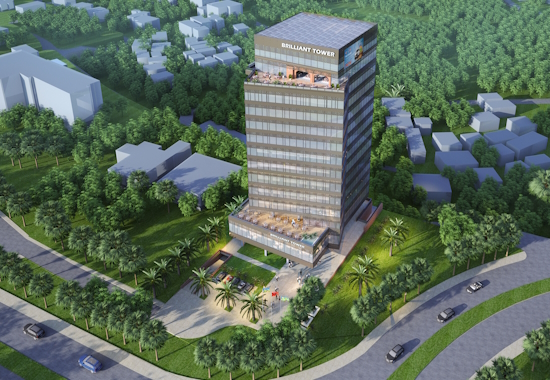
Rwanda's real estate sector has been experiencing a remarkable surge, positioning itself as a significant contributor to the nation's economic landscape. This growth is not coincidental but the result of a confluence of strategic factors and deliberate efforts.
Table of Contents
1. Economic Stability and Visionary Policies
2. Urbanization and Population Growth
3. Infrastructure Development
4. Increased Demand for Housing and Commercial Spaces
5. Government Initiatives and Investment Opportunities
6. Conclusion
1. Economic Stability and Visionary Policies
Rwanda's consistent economic growth has laid a robust foundation for the expansion of its real estate market. The government's Vision 2050 plan aims to transform Rwanda into a middle-income country, with a target of having 70% of the population residing in urban areas by 2050. This ambitious vision underscores the importance of urban development and, by extension, the real estate sector.
2. Urbanization and Population Growth
The nation is witnessing a rapid shift towards urban living, driven by both population growth and rural-to-urban migration. This trend has escalated the demand for residential properties, especially in urban centers like Kigali. The current housing deficit is estimated to exceed 400,000 units, highlighting a significant opportunity for real estate developers.
3. Infrastructure Development
Infrastructure serves as the backbone of real estate development. Rwanda's substantial investments in roads, energy, and water supply have not only enhanced the quality of life but also made previously inaccessible areas viable for development. Projects like the Kigali Innovation City exemplify the integration of infrastructure with real estate, aiming to create a hub for technology and innovation.
4. Increased Demand for Housing and Commercial Spaces
The burgeoning middle class and the influx of expatriates have diversified the real estate market's demands. There's a growing appetite for modern housing, office spaces, and retail centers. The residential real estate market alone is projected to reach a value of US$84.85 billion by 2025, with a compound annual growth rate of 3.81% from 2025 to 2029.
5. Government Initiatives and Investment Opportunities
Recognizing the pivotal role of real estate in economic development, the Rwandan government has introduced policies to attract both local and foreign investors. Initiatives such as tax incentives, streamlined land acquisition processes, and the establishment of special economic zones have created a conducive environment for investment. The real estate sector currently contributes approximately 16% to Rwanda's GDP, a testament to its growing significance.
Rwanda's real estate boom is the result of strategic planning, economic resilience, and proactive governance. As the nation continues on its developmental trajectory, the real estate sector stands as a cornerstone of this progress, offering myriad opportunities for investors and contributing to the country's vision of sustainable urban growth.