Kigali's Master Plan: How It Shapes Future Real Estate Opportunities

Kigali Master Plan 2050: What It Means for Property Buyers
Last updated: September 2026
The Kigali Master Plan 2050 is the city’s long-term blueprint for how Kigali will grow, what can be built where, and how land will be used over the next three decades. Launched in September 2020, it replaced an earlier plan that kept homes, offices and shops too far apart. If you are buying land or a home in Kigali, it helps to understand the plan, because it can shape what you are allowed to build and how an area may change over time.
|
Quick Facts • What it is: Kigali’s long-term urban plan, guiding growth to 2050 • Launched: September 2020 • Replaces: the earlier Kigali Master Plan • Land-use categories: nine • Zones simplified: residential zones reduced from seven to five, commercial zones from nine to three • Roll-out: five phases, from 2019 to 2050 • Reviews: regular reviews with public participation • Why it matters to buyers: zoning can affect what you can build on a plot and how an area may develop |
Before looking at what changed, it helps to understand what was not working.
Why Was the Kigali Master Plan 2050 Introduced?
Kigali grew quickly, and the first plan began to show its limits:
• An office-only city centre. The old plan made the Central Business District mostly offices, so streets were quiet after working hours and there was little housing in prime areas.
• Pressure on the edges of the city. Strict residential zones pushed many middle-income families to the outskirts, which meant longer commutes and more strain on services.
• Zoning that was too detailed. With seven residential and nine commercial zone types, mixed-use projects were harder to approve and land was not always used efficiently.
The 2050 plan responds by simplifying zones, merging similar uses and using overlay districts to create lively neighbourhoods that work day and night.
What Are the Key Changes in the Master Plan 2050?
The plan cuts complexity and gives the city more flexibility. The main changes are:
• Fewer zones. Seven residential zones became five, and nine commercial zones became three.
• Mixed-use overlays. Overlay districts such as R2/R3 encourage denser, mixed-use development along key corridors, including the planned Bus Rapid Transit (BRT) lines. To understand the zones themselves, read our guide to Kigali’s residential zones, or go deeper with the R3 and R4 zones explained.
• A city centre for living, not only working. The CBD is planned to blend homes, shops, cultural venues and green spaces.
• Environmental protection. Wetlands are preserved and green belts are linked. Projects such as Agatare’s combined drainage and public-space project manage stormwater while serving the community.
• Tools for housing. Land-banking, inclusionary zoning and informal-settlement upgrading aim to narrow the housing gap.
• Regular reviews. Participatory reviews allow the plan to be adjusted using data and public feedback.
|
Related reading What You Can Build in Kigali’s R1 and R2 Zones Kigali Residential Zoning Guide: R1, R1A, R2, R3 and R4 Explained |
Now to the question most buyers care about: what does the plan mean for property?
How Does the Master Plan Affect Rwanda’s Real Estate?
1. Land Values Near Key Corridors
The plan encourages denser, mixed-use development along transit and commercial corridors, especially near planned BRT lines and ring roads. This may increase demand and land prices in those areas over time. Outcomes are not guaranteed, and they depend on how and when infrastructure is delivered.
2. Renewal of Older Buildings
Simpler variance processes and partnerships between the public and private sectors may make it easier to convert older buildings into mixed-income or mixed residential and commercial projects.
3. Affordable Housing Opportunities
The plan sets aside sites for inclusive housing and site-and-service schemes. These are meant to support projects for low- and middle-income buyers and to help address the housing shortfall expected through 2050.
4. Green and Sustainable Property
Properties with green infrastructure, energy efficiency and climate-resilient design fit the plan’s environmental goals. They may appeal to both local buyers and impact-minded investors.
If you are planning to buy, these are the practical points to keep in mind.
What Does the Master Plan Mean If You Are Buying in Kigali?
You do not need to be a developer for the plan to matter. Here is how it can affect an ordinary buyer:
• Check the zoning before you pay a deposit. The zone decides what you may build on a plot. Our guide to buying land in Rwanda walks through the steps.
• Look at what is planned nearby. Plots near planned transport corridors may be allowed denser or mixed use. Large projects such as the Bugesera airport and the new Kigali airport can also affect land in the surrounding area.
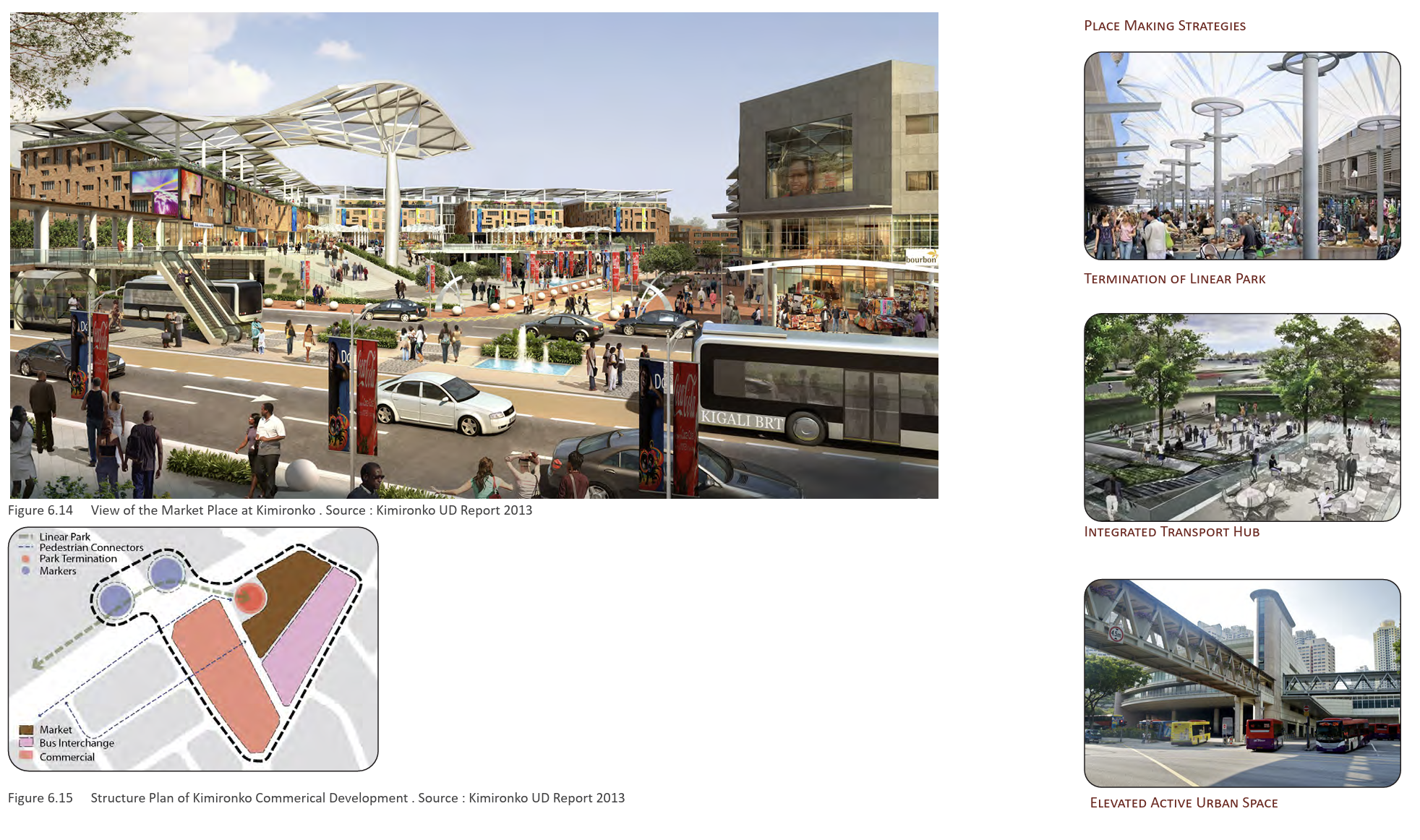
• Compare neighbourhoods. Each area is developing differently. See our guides to Kimironko, Vision City, Masaka Views Eco Estate and the best neighbourhoods for expats.
• Buying from abroad? The plan applies to every buyer. Read our guide on foreigners buying real estate in Rwanda, and see our apartments for sale in Rwanda buyers guide if you prefer an apartment.
• Confirm before you commit. Zoning details can be updated, so check the current position with the City of Kigali or a trusted agent.
What Are the Key Features of the Plan at a Glance?
• Nine land-use categories: clear types that cover all urban functions.
• Phased roll-out (2019 to 2050): five phases that sequence transport, utilities and public facilities.
• One-stop implementation: stronger City technical units for GIS, land management and housing, supported by a Technical Advisory Group.
• Regular participatory reviews: a way to correct course using data and stakeholder feedback.
How Can You Use the Plan When Planning a Project?
1. Check zoning early. Consult the latest master-plan maps and overlay rules to find plots with the highest allowed intensity and mixed-use potential.
2. Ask about variances. If your project needs a small change to the rules, ask the City about the variance and review process before you finalise designs.
3. Look at infrastructure. Projects that support BRT stations, ring-road improvements or green-space networks may benefit from public funding and land-pooling incentives.
4. Build in social and environmental value. Affordable-housing shares, green roofs and stormwater management can help a project qualify for incentives.
5. Time your land purchase carefully. Aligning with the Phase 2 and Phase 3 infrastructure timelines, such as new water reservoirs and transport hubs, may help you buy before amenities arrive. Timing is never certain, so plan for delays.
Frequently Asked Questions
What is the Kigali Master Plan 2050?
It is the long-term plan for how Kigali grows, covering zoning, transport, housing and green space up to 2050.
When was it launched?
It was launched in September 2020 and replaced the earlier Master Plan.
Does it change what I can build on my plot?
It can. Zones were merged and overlay districts were added, so the rules for your plot may differ from what you expect. Always check the zoning first.
Will land near BRT lines cost more?
The plan encourages denser development along those corridors, which may raise demand and prices over time. It is not guaranteed, so do your own checks before you buy.
How do I find out my plot’s zoning?
Look at the latest master-plan maps and ask the City of Kigali, or ask a trusted agent to confirm it for you.
Can foreigners buy property in areas covered by the plan?
Foreigners can buy property in Rwanda, and the plan applies to everyone. The steps and documents are in our guide for foreign buyers.
Is the plan fixed?
No. It is reviewed regularly with public input, so details can be updated. Check the current position before you make a decision.
Final Thoughts
The Kigali Master Plan 2050 aims to make the city more mixed, greener and more inclusive. For buyers, the most useful step is simple: check the zoning and the planned infrastructure around a plot before you commit. Planning with the Master Plan in mind can help you make more confident decisions.
Need help checking a plot or finding a property? Contact Kwanda Real Estate on 0788 370 360, or visit us at KG 5 Ave, Ikirezi Building, Kigali.
Source: Kigali Master Plan 2050