Kigali’s Conditional Land Use Permits: Trends and Policy Update

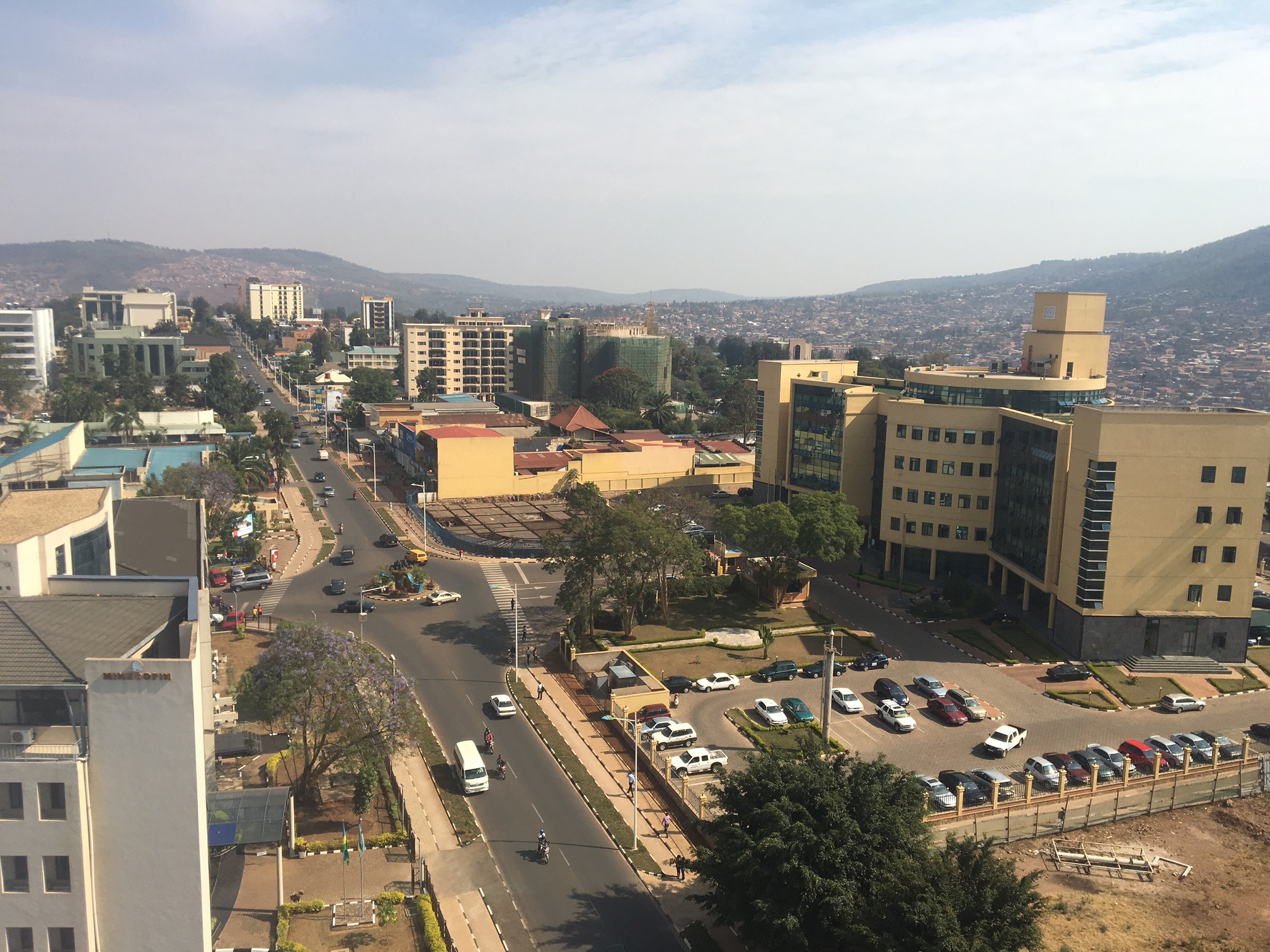
In Kigali, urban development follows a detailed zoning map that spells out what uses are allowed in each zone; whether it is residential, commercial, agricultural, or protected forest areas. A conditional land use permit is a special authorization that allows land to be used in ways not automatically permitted under its zoning classification.
Such permits are granted at the local One-Stop Centre under the office of City of Kigali (such as Kigali’s construction and planning offices) after technical review by planning authorities. In practice, you’d need a conditional permit if your project falls just outside the ordinary rules – say building a neighborhood retail store or nursery school in a zone otherwise reserved for houses.
Read also: What You Can Build in Kigali’s R1 and R2 Zones: A Real Estate Guide
For example, you might want to open a small café in a residential R3 zone or convert a portion of your property into a daycare. These uses aren’t always allowed by right, but with a conditional permit, and after a planning review, they can be approved if deemed appropriate and aligned with Kigali’s Master Plan.
The need for a conditional permit arises when a proposed use is not in the land’s base zone. In Kigali, small-scale commercial or civic facilities (bars or shops, schools, clinics, religious halls, etc.) can be allowed in residential zones conditionally, to serve community needs. Officially, the City of Kigali (through its District One-Stop Centres) must assess and approve these exceptions, ensuring they fit the overall Master Plan goals. In short, conditional permits are a flexible tool to adapt the zoning plan to practical needs, but only under strict review.
Must Read: Kigali's Master Plan: How It Shapes Future Real Estate Opportunities
Why Kigali Temporarily Suspended Issuing New Conditional Permits?
In late July 2025, the Ministry of Infrastructure announced that all local governments (including Kigali) must stop issuing new conditional-land-use and overlay permits until further notice. Minister of Infrastructure, Jimmy GASORE explained that the suspension was prompted by evidence of “malpractices” in the system. He warned that some permit decisions had blatantly violated Kigali’s zoning rules – for instance, “an entire neighbourhood” intended as residential had been converted into a zone for shops and liquor stores contrary to the master plan.
In official statements, the Ministry emphasized that conditional uses are allowed only under strict “exceptional” circumstances per the Land Use Zoning Regulations. The growing number of these permits – issued far beyond their intended scope – raised concerns about unregulated sprawl and long-term land-use impacts. As a remedy, the government has launched a nationwide review of all existing conditional permits. This review (initially set for about two months) will examine projects approved before the suspension and may lead to canceling non-compliant ones. Gasore stressed that any cancellations would follow legal procedures and include compensation where appropriate, to protect permit-holders’ rights.
Meanwhile, the Ministry has instructed all local authorities to fully comply: no new conditional or overlay permits should be issued during the review. Kigali’s District One-Stop Centres are bound by this directive. As the ministry stated, its goal is to “develop a comprehensive framework to ensure the responsible issuance of conditional land use and overlay permits” and align future approvals with Rwanda’s National Urbanisation Policy. In other words, the permit regime will be reformed so that conditional uses truly serve the plan’s objectives.
What Happens Next and When Permits May Resume
When will this freeze end? So far, officials say only that conditional permits will resume “later” under the new framework. No firm date has been given, but the two-month review (announced in early August 2025) suggests the pause may last into the final quarter of 2025. In any case, Kigali’s city authorities are clearly awaiting updated national guidelines. In public comments, Minister GASORE pledged that once reissued, conditional permits will support “orderly development” and the goals of the master plan.
For now, real estate developers and landowners in Kigali should expect delays on any project needing a conditional permit. All existing projects with such permits will be checked for compliance. Those planning new developments should monitor official channels (City of Kigali announcements, MinInfra bulletins or the Rwanda Housing Authority) for the eventual guidelines. Stakeholders – including local planners, private-sector developers and affected communities – are expected to be involved in forming the new rules. In the end, the aim is clear: to ensure that Kigali’s rapid growth remains sustainable and in line with the city’s vision, by making conditional land use truly conditional to legitimate needs.
What This Means for Kigali’s Real Estate Stakeholders
** Developers & Buyers: Delay in approvals means project timelines may shift. Consider contingencies and revisit your plans with these temporary restrictions in mind.
** Sellers: Buyers may hesitate if development flexibility is limited. Be transparent about zoning and permit status.
** Neighbor Associations & Communities: Many local voices have voiced concerns some supported stricter reviews to prevent uncontrolled commercial creep in residential areas.
In summary, conditional land use permits in Kigali are a vital tool for adaptive urban living but only when thoughtfully applied. The current temporary suspension reflects a necessary reset. It’s now up to the City of Kigali, Ministry of Infrastructure, and planning stakeholders to refine the system, ensuring it serves the city's long-term vision, not short-term gains.
We’re closely monitoring this transition. If you're planning any development that might depend on conditional approval, talk to us for guidance, strategic planning, and updates as the regulations evolve.
Phone Number: +250 788 370 360
Email: [email protected]