Real Estate Laws in Rwanda: Property Rights, Titles & Buyer Protection

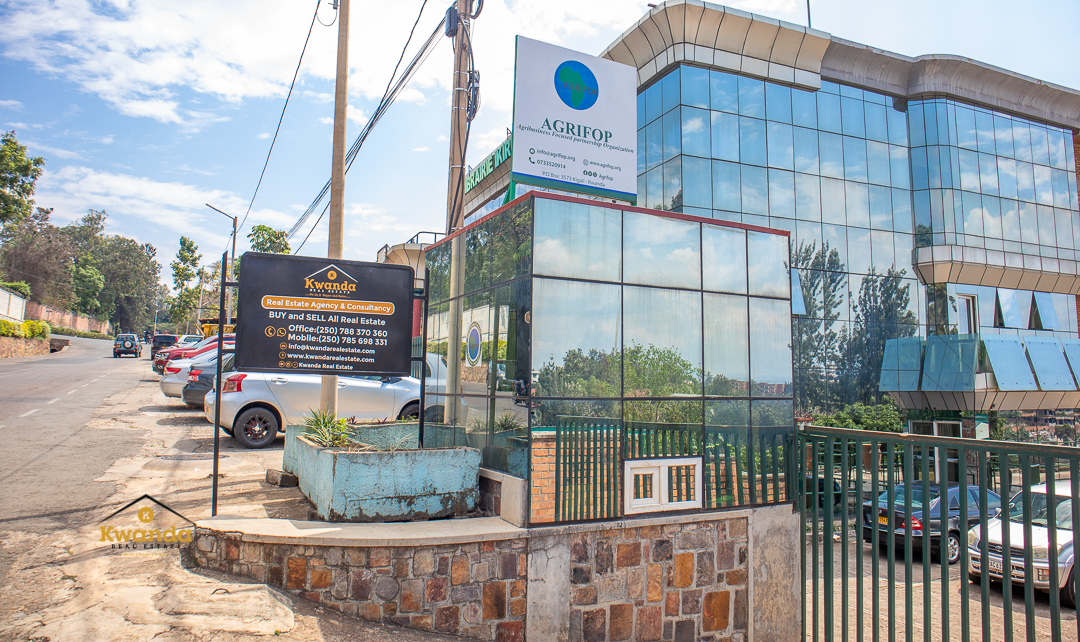
Navigating the legal landscape of a foreign property market can be daunting, but understanding the Real Estate Laws in Rwanda is the first step toward a secure and profitable investment. Rwanda has undergone a radical transformation over the last two decades, moving from a manual, paper-based land registry to one of the most sophisticated digital land management systems in Africa. For investors eyeing the booming Kigali property market, the legal framework offers a level of transparency and security that is rare in emerging markets. Whether you are a local resident looking for affordable apartments in Kigali or an international investor seeking land for sale in Rwanda, knowing your rights and obligations is paramount.
At Kwanda Real Estate, we recognize that a successful transaction is built on more than just a beautiful view in Rebero or a prime plot in Rusororo; it is built on legal certainty. This comprehensive guide delves into the nuances of Real Estate Laws in Rwanda, explaining how titles work, the protections available to buyers, and the step-by-step legal process of transferring property. By the end of this article, you will have the expert knowledge required to navigate the Rwandan housing market with confidence and precision.
1. The Legal Framework of Land Ownership in Rwanda
The primary pillar of the Real Estate Laws in Rwanda is the Land Law N° 27/2021 of 10/06/2021. This legislation governs how land is acquired, used, and transferred across the country. One of the most significant achievements of the Rwandan government was the Land Tenure Regularization Program, which saw millions of parcels of land demarcated and registered. According to the Rwanda Land Management and Use Authority (RLMUA), nearly all land in Rwanda is now registered with a Unique Parcel Identifier (UPI), which significantly reduces the risk of double-selling and ownership disputes.
In the Kigali property market, this legal clarity has paved the way for rapid urbanization. As an investor, you must understand that all land in Rwanda belongs to the state, but individuals and entities are granted long-term rights to use and develop that land. This is a fundamental concept in Real Estate Laws in Rwanda. These rights are typically granted through an "Emphyteutic Lease," which usually lasts for 99 years and is renewable.
The stability of this framework is reflected in international rankings. According to World Bank data on Rwanda, the country consistently ranks among the top performers in Sub-Saharan Africa for "Registering Property." This ease of doing business is a major reason why many choose to invest in Rwanda. At Kwanda Real Estate, we emphasize that while the system is efficient, strict adherence to the Law is mandatory to ensure your investment remains protected.
2. Understanding Land Titles: Leasehold vs. Freehold
One of the most frequent questions we receive at Kwanda Real Estate concerns the difference between leasehold and freehold titles. Under current Real Estate Laws in Rwanda, there is a clear distinction that every buyer must understand.
Leasehold Ownership (Emphyteutic Lease)
Most residential and commercial properties in Rwanda, especially those held by foreigners, fall under the leasehold system. An emphyteutic lease is a long-term contract between the state and the individual. While 99 years is the standard for residential property, commercial and industrial leases may vary. It is important to note that these leases are fully tradable, mortgageable, and inheritable. If you are looking for land for sale in Bumbogo Kigali, you will likely be dealing with an emphyteutic lease.
Freehold Ownership
Freehold titles grant the owner perpetual rights to the land. However, under the 2021 Land Law, freehold is generally reserved for Rwandan citizens and is applicable only to land not exceeding five hectares, provided it is used efficiently according to the master plan. For international investors, the law provides "long-term leases" that function with nearly identical security to freehold.
H3: The Importance of the Land Title Deed
The Land Title Deed (or Ubutaka) is the ultimate proof of ownership. It contains the UPI, the owner’s identification, the size of the plot, and any encumbrances such as bank mortgages. Before you buy property in Rwanda, you must verify the authenticity of the title through the RLMUA digital portal or via the Irembo platform. This due diligence is a core part of the Real Estate Laws in Rwanda and protects you from fraudulent sellers.
3. The Property Transfer Process: A Step-by-Step Legal Guide
When navigating Real Estate Laws in Rwanda, the property transfer process is remarkably streamlined, but it requires specific legal steps to be valid. Whether you are buying luxury homes in Kigali or commercial property in Rwanda, the following steps are mandatory:
Step 1: Due Diligence and Search
The first step is to conduct a search at the Land Registry using the UPI. This will confirm the owner's name and check if there are any caveats or mortgages on the property. We highly recommend a professional property valuation in Rwanda at this stage to ensure the price reflects the legal and physical state of the asset.
Step 2: Sales Agreement
Once satisfied, the buyer and seller sign a sales agreement. This document should outline the payment terms, timelines, and responsibilities for taxes. While this is a private contract, it serves as the basis for the official transfer.
Step 3: Notarization and the Irembo Process
All property transfers must be notarized by a District Land Notary. In the modern Kigali property market, this process is initiated through Irembo, Rwanda’s e-government portal. Both parties must provide their national IDs (or passports for foreigners). The notary verifies the documents and the intent of both parties.
Step 4: Payment of Transfer Fees and Taxes
Following notarization, the buyer must pay the fixed land transfer fee (currently 30,000 RWF) and the property transfer tax. According to the Rwanda Housing Authority (RHA), the efficiency of this digital process has reduced the average time to transfer property to less than 30 days.
Step 5: Issuance of New Title
Once the fees are paid and the notary submits the file, the RLMUA processes the change in the registry. A new electronic title is issued in the buyer’s name. This digital title is the final protection offered by the Real Estate Laws in Rwanda.
4. Foreign Ownership and Buyer Protection Laws
Rwanda is widely considered one of the most welcoming nations for foreign investment in East Africa. The Real Estate Laws in Rwanda do not prohibit foreigners from owning property; rather, they provide specific frameworks to facilitate it.
Investor Rights
Foreigners can own buildings and improvements on land and hold long-term leases for the land itself. For significant investments, the Rwanda Development Board (RDB) offers an "Investment Certificate" which provides additional protections and incentives. For instance, an investor spending over $50,000 may be eligible for specific residency permits, facilitating their long-term stay in the country.
Protection Against Expropriation
One of the key strengths of the Real Estate Laws in Rwanda is the protection against arbitrary expropriation. The law dictates that the state can only take land for public interest (e.g., building a road or hospital) after paying "fair and prior compensation" based on current market rates. This is a crucial trust-building measure for those looking at property for sale in Kigali.
Safeguards for Off-Plan Buyers
For those interested in apartments for sale in Rwanda, buyer protection extends to off-plan purchases. Developers are increasingly required to provide clear timelines and project milestones. At Kwanda Real Estate, we advise clients to only work with reputable developers who have a track record of legal compliance. You can read more about this in our guide for foreigners buying land in Rwanda.
5. Zoning Laws and the Kigali Master Plan 2050
Understanding the Real Estate Laws in Rwanda requires a deep dive into the Kigali Master Plan 2050. This plan isn't just a suggestion; it is a legally binding document that dictates what can be built and where.
Zoning Categories (R1 to C3)
Kigali is divided into specific zones, such as R1 (Low-Density Residential), R3 (Medium-Density Residential), and C1 (Mixed-Use Commercial). If you purchase a plot in Kacyiru intending to build a high-rise office but the zoning is R1, the law will prevent you from proceeding. This is why checking the Master Plan is a non-negotiable step in the Kigali property market.
Conditional Use Permitting
In some cases, the Real Estate Laws in Rwanda allow for "Conditional Use Permits." This allows for a slight deviation from the standard zoning if the proposed project adds significant value to the community without violating safety or environmental standards. However, this process requires rigorous application through the City of Kigali.
Environmental Compliance
Rwanda is a global leader in environmental conservation. Consequently, property laws are strictly integrated with environmental regulations. Building within 20 meters of a wetland or on steep slopes without proper engineering is strictly prohibited. The National Institute of Statistics of Rwanda (NISR) notes that urbanization is carefully managed to preserve Rwanda’s unique "thousand hills" landscape while meeting the housing demand of 2025 and beyond.
6. Taxes, Fees, and Legal Compliance for Investors
Financial compliance is a core component of the Real Estate Laws in Rwanda. Neglecting property taxes can lead to heavy fines and legal hurdles during future transfers.
Annual Property Tax
Landowners must pay an annual property tax to the Rwanda Revenue Authority (RRA). The rate is determined by the location and the use of the property. For example, luxury homes in Nyarutarama will have a higher tax liability compared to a small plot in a rural district.
Rental Income Tax
If you are buying property to rent out a popular strategy for investing in Rwanda you must account for rental income tax. For individuals, this is generally a flat rate of 15% after a specific threshold of expenses. Proper bookkeeping is essential to remain compliant with the Real Estate Laws in Rwanda.
Real Estate Agency Regulations
It is also worth noting that the Rwandan government is professionalizing the real estate sector. Working with a licensed real estate agent in Kigali ensures that you are dealing with professionals who understand these laws. At Kwanda Real Estate, we pride ourselves on our deep understanding of the legal requirements, ensuring that every transaction we facilitate is fully compliant and secure.
Key Takeaways
** Registry Digitalization: Rwanda’s land registry is 100% digital, making due diligence via the UPI system highly reliable.
** 99-Year Leases: Most property ownership is through renewable 99-year emphyteutic leases, offering high security for both locals and expats.
** Foreigner Friendly: International investors have clear paths to property ownership and are protected by laws against arbitrary expropriation.
** Master Plan Compliance: You must verify the zoning of any land (R1, R3, C1, etc.) against the Kigali Master Plan 2050 before buying.
** Irembo Integration: The property transfer process is conducted online through the Irembo portal and requires notarization.
** Tax Responsibility: Buyers must account for fixed transfer fees, while owners must stay current with annual property taxes to avoid penalties.
Conclusion
Navigating the Real Estate Laws in Rwanda reveals a market that is transparent, efficient, and investor-friendly. From the robust protections offered by the 2021 Land Law to the digital precision of the Irembo transfer system, Rwanda has set a high standard for property rights in Africa. Whether you are looking for a house for sale in Rusororo or a
Share
Related Posts

What Every Buyer Needs to Know About Rwanda’s Property Taxes