Land Prices Kigali: 5-Year Appreciation Analysis 2021–2026

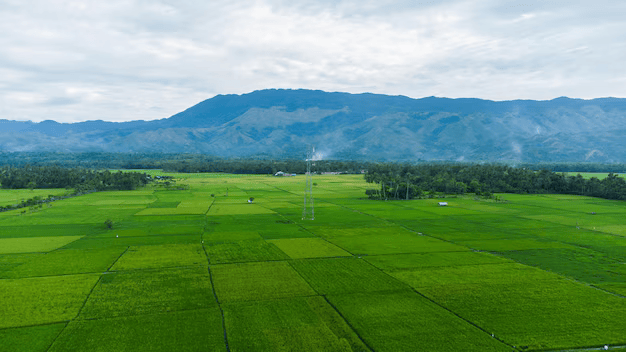
How Much Has Land Appreciated in Kigali? A 5-Year Price Analysis (2021–2026)
If you bought land in Kigali in 2021, how much is it worth today? And if you have not bought yet, is 2026 still a good time to enter? These are the two most common questions we receive at Kwanda Real Estate. Land prices in Kigali have moved significantly over five years but not uniformly. Some neighbourhoods have more than doubled. Others remain surprisingly accessible. The difference depends almost entirely on one factor: infrastructure arrival. This article gives you the honest neighbourhood-by-neighbourhood data, the drivers behind appreciation, and a clear verdict on 2026. For a verified valuation of any specific plot, request a professional property valuation.
1. Why Land Prices in Kigali Have Been Rising
Three structural forces have been compressing land supply while expanding demand and all three continue through 2030. First, urbanisation is accelerating. According to the National Institute of Statistics of Rwanda, Rwanda's urban population grows at over 4% annually among the fastest rates in Africa. Second, government infrastructure creates value corridors. The BRT network, Kigali–Bugesera Expressway, and Special Economic Zone expansions each create measurable appreciation waves in adjacent land. The Rwanda Development Board confirmed $2.62 billion in investments in 2025 up 33% from 2024 with real estate among the top three contributors. Third, serviced land in desirable zones is finite. Unlike apartments built vertically, gazetted title-registered land in established zones cannot be manufactured. This supply constraint is what makes Kigali's land market consistently outperform other local asset classes. Our article on how Rwanda's new roads affect property values covers the infrastructure-appreciation mechanism in detail.
2. Neighbourhood Price Comparison: 2021 vs 2026
The figures below are indicative price ranges based on Kwanda Real Estate's active market experience. Individual plot prices vary by size, road frontage, and zoning. Verify against specific listings before any decision.
|
Neighbourhood |
2021 (RWF/400sqm) |
2026 (RWF/400sqm) |
Appreciation |
Primary driver |
|
Rusororo |
RWF 15M – 25M |
RWF 40M – 70M |
100%+ |
SEZ proximity, new roads |
|
Kibagabaga |
RWF 40M – 65M |
RWF 70M – 120M |
60–80% |
Mid-market demand, road upgrades |
|
Kinyinya |
RWF 30M – 55M |
RWF 55M – 100M |
50–70% |
Master Plan designation |
|
Nyarutarama |
RWF 100M – 160M |
RWF 160M – 250M+ |
50–60% |
Diplomatic/expat demand |
|
Rebero |
RWF 50M – 80M |
RWF 80M – 130M |
40–60% |
City views, CBD proximity |
|
Kimihurura |
RWF 90M – 150M |
RWF 140M – 220M |
40–55% |
Embassy quarter, stable premium |
|
Kacyiru |
RWF 80M – 130M |
RWF 120M – 200M |
40–55% |
Government quarter, Convention Centre |
|
Bumbogo |
RWF 10M – 20M |
RWF 20M – 45M |
50–80% |
Infrastructure arriving — still early |
Rusororo: the standout performer
Rusororo is the clearest example of infrastructure-driven appreciation. Before the SEZ expansion was confirmed, plots of 400–600sqm were available at RWF 15M–25M. By early 2026, equivalent plots transact at RWF 40M–70M with prime main-road plots exceeding this significantly. Kwanda currently lists a spacious prime plot in Rusororo and main road Rusororo plot for sale.
Kibagabaga: consistent mid-market strength
Kibagabaga has been one of Kigali's most consistently appreciating residential zones since 2018. Demand from young professionals, NGO workers, and mid-market families keeps both prices and occupancy high. Current Kwanda listings include a prime plot for sale in Kibagabaga and spacious plot for sale in Kibagabaga.
3. Affordable Entry Points Still Available in 2026
|
Neighbourhood |
2026 price (400sqm) |
Why still affordable |
Time horizon |
|
Bumbogo |
RWF 20M – 45M |
Infrastructure arriving but not fully priced in |
5–10 years |
|
Masaka |
RWF 15M – 35M |
Growing suburb, BRT corridor potential |
4–7 years |
|
Kabuga |
RWF 8M – 20M |
Kigali-adjacent, prices rising but accessible |
3–7 years |
|
Gahanga |
RWF 15M – 40M |
Kicukiro fringe, renovation plays available |
3–6 years |
|
Gasanze/Nduba |
RWF 4M – 10M |
Outer Gasabo, limited current services |
7–10 years |
The principle is consistent: buy where confirmed government investment is heading, not where it has already arrived. Current Kwanda listings include spacious land in Bumbogo Kigali, land for sale in Bumbogo Gasabo, and a plot in Gahanga Kigali. Our guide on land banking in Rwanda provides detailed strategic guidance.
4. Land vs Bank Savings How Kigali Compares
|
Asset class |
Indicative annual return |
Key consideration |
|
Kigali land: growth corridors |
15–20% capital appreciation |
Illiquid — 3+ year minimum horizon |
|
Kigali land: outer zones |
8–15% capital appreciation |
Longer time horizon required |
|
Rwanda bank savings |
7–10% interest per year |
Liquid — accessible anytime |
|
Rental property (apartments) |
8–12% gross yield + appreciation |
Active management required |
|
Holding cash (RWF) |
Negative real return |
Inflation erodes purchasing power |
The comparison is compelling for growth corridor land. The World Bank's Rwanda data consistently ranks Rwanda among Sub-Saharan Africa's top performers for economic growth and investment climate. The honest caveat: land is illiquid. Never invest capital in land that you may need within 12–24 months.
5. The Land Banking Strategy
Land banking is buying well-located plots before infrastructure reaches them capturing appreciation when roads, BRT, SEZs, and commercial activity arrive. It has worked consistently in Kigali for a decade. Buyers who entered Rusororo ahead of the SEZ expansion recorded 100%+ returns. The current land banking opportunities are in Bumbogo, Masaka, Kinyinya, and outer Gasabo where infrastructure is confirmed but not yet fully priced in. Rwanda's digital land registry, managed by the Rwanda Land Management and Use Authority, allows any buyer to verify a plot's title and zoning online before committing — significantly reducing fraud risk. Current Kwanda listings include land for sale in Kigali Gacuriro and prime land for sale in Rebero.
6. Who Should Buy and Key Risks
|
Buyer profile |
Best strategy |
Recommended zones |
Horizon |
|
First-time buyer |
Affordable outer zone, build when ready |
Bumbogo, Masaka, Kabuga |
5–10 years |
|
Diaspora investor |
Growth corridor land bank |
Rusororo, Kinyinya, Rebero |
3–7 years |
|
Active developer |
Acquire and develop for sale |
Kibagabaga, Kinyinya, Gisozi |
1–3 years |
|
Passive wealth builder |
Prime zone long-term hold |
Nyarutarama, Kimihurura |
7–15 years |
The African Development Bank's Rwanda profile highlights Rwanda's transparent legal framework as a key differentiator. Diaspora buyers can purchase land with the same legal protections as Rwandan nationals and hold 99-year registered leasehold title. Our guide on investing from the diaspora covers the remote purchase process in full.
Key risks to plan for
· Title fraud: always verify the plot UPI on the RLMUA portal before paying any deposit. See our guide on avoiding real estate scams in Rwanda.
· Zoning reclassification: check current zoning under the Kigali Master Plan before buying.
· Overpaying on hype: infrastructure announcements create speculative spikes. Buy on confirmed projects, not rumour. Always commission an independent valuation.
· Liquidity risk: land cannot be sold quickly. Never invest capital you may need within 12–24 months.
KEY TAKEAWAYS
· Land prices in Kigali have appreciated significantly 2021–2026. Rusororo: +100%+. Kibagabaga: +60–80%. Nyarutarama: +50–60%. All figures are indicative estimates.
· Primary driver: infrastructure BRT corridors, SEZ proximity, new roads, and Kigali Master Plan designations create predictable value corridors.
· Affordable entry still exists: Bumbogo (RWF 20M–45M), Masaka, Kabuga, Gahanga best value for buyers with a 5–10 year horizon.
· Growth corridor land has outperformed Rwanda bank savings rates (7–10%) by a significant margin over 5 years. Trade-off: illiquidity.
· The land banking window in Rusororo and Kibagabaga has largely closed. Equivalent opportunity today is in Bumbogo, Masaka, and Kinyinya.
· Foreign and diaspora buyers can purchase Rwandan land with the same legal protections as nationals — 99-year registered leasehold title.
Conclusion
The 5-year record is clear: land prices in Kigali have consistently outperformed alternative investments for buyers who chose the right zones. The structural drivers urbanisation, infrastructure investment, limited supply remain firmly in place through 2030. The easy gains in Rusororo and Kibagabaga are largely priced in. The opportunity today is in the next tier: Bumbogo, Masaka, and Kinyinya, where infrastructure is arriving but prices have not yet fully reflected it.
Browse plots of land for sale across Kigali, request a professional property valuation before making any offer, or contact Kwanda Real Estate for independent market analysis.
ABOUT KWANDA REAL ESTATE
Rwanda's leading licensed property agency. KG 5 Ave, Ikirezi Building, Kacyiru, Kigali. 1% buyer · 5% seller · Zero upfront fees. kwandarealestate.com | +250 788 370 360 | [email protected]